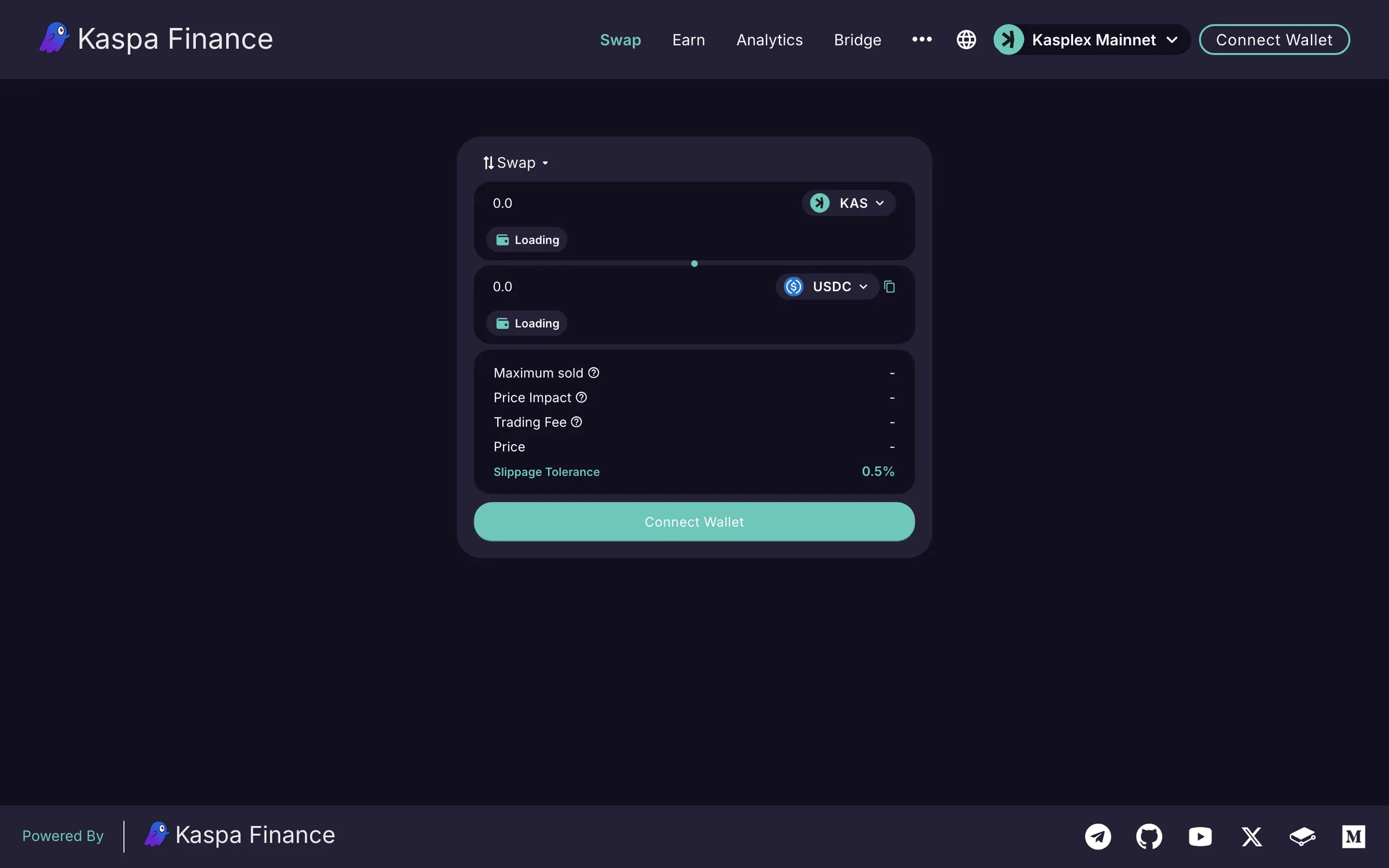
Lending
An overcollateralized lending market for your assets
Supply, borrow and repay flows with an interest-rate curve, collateral factors and a liquidation engine tuned to each asset.
Blockchain and DeFi
We build lending markets, yield vaults, bridges and the governance that steers them. We write every accounting rule as an invariant and test it before the code reaches an auditor.
DeFi protocols at a glance
Lending
Supply, borrow and repay flows with an interest-rate curve, collateral factors and a liquidation engine tuned to each asset.
Vaults
Tokenized vaults on the ERC-4626 standard, with strategy adapters, harvest logic and share pricing that resists inflation attacks.
Bridges
Lock-and-mint or burn-and-release bridges with a validator or relayer set, per-window rate limits and a pause path.
Governance
Governor and timelock contracts with delegation and proposal thresholds, so every change passes a public vote and a delay.
Token economics
Token, vesting and emission contracts modeled against your treasury plan, with schedules anyone can verify on-chain.
Fundraising
Sale contracts with allowlists, contribution caps, refund conditions and claim schedules that investors can read before they commit.
Total assets, debt and shares are checked after every simulated action, not only on the happy path.
Collateral factors and rate curves come with the stress cases used to set them.
Each admin power, its holder and any delay on it are documented for users and auditors.
| Risk | Why it matters | How we handle it |
|---|---|---|
| Oracle manipulation | A lending market that trusts a movable price lets attackers borrow against inflated collateral. | Several price sources, staleness and deviation checks, and circuit breakers that freeze borrowing when feeds disagree. |
| Bad debt from late liquidations | If collateral falls faster than liquidators act, depositors absorb the shortfall. | We simulate price crashes against your parameters, size liquidation incentives and cap supply per asset. |
| Share-price inflation in vaults | An early depositor can donate assets to skew the share price and take later deposits through rounding. | Virtual shares or seeded liquidity, rounding in the vault's favor and invariant tests on assets against shares. |
| Bridge signer compromise | A bridge holds pooled funds, so a captured signer set can mint tokens with nothing behind them. | Threshold signatures, per-window mint limits, independent monitoring and a pause any guardian can trigger. |
| Governance capture | Borrowed voting power can push a malicious proposal through in a single block. | Snapshot-based voting power, quorum requirements and a timelock that gives users time to exit. |
We map the mechanism, the assets at risk and the chains you need.
Output Written specification and milestone plan
We design the contracts, roles and upgrade path, then list how each part could be attacked.
Output Architecture document and threat model
Each milestone ships to testnet with unit, fuzz and invariant tests.
Output Tested contracts and a testnet deployment
We freeze the code for an independent audit and fix the findings. Then we deploy, verify and stay on after launch.
Output Audit report, verified contracts and a deployment record
Blockchain and DeFi · Digital asset trading
130 wallets on mainnet
Blockchain and DeFi · Digital asset trading
3 chains
Blockchain and DeFi · Digital asset trading
42,569 DEX transactions
Short answers to the questions we hear most often.
Can't find yours?
Assets with deep markets and reliable price feeds. Long-tail collateral needs lower collateral factors, supply caps and sometimes an isolated pool of its own.
We start with liquidity, because a thin market is cheap to move. Then we pick feeds, set staleness limits and define what happens when a feed fails.
Yes. We plan protocol design and token economics with you, prepare the audit package and work through findings with your auditor. Then we support testnet, mainnet and the period after launch.
Every engagement is quoted after a scoping call. Cost follows the number of contracts and assets, cross-chain scope, oracle design and how many audit rounds you plan.
Your guardian pauses the affected markets, and we investigate with you. That works because alerts, the pause path and a written runbook are set up before launch.
Can't find yours?
Send a short brief and we'll reply with times for a 30-minute scoping call.