Sign-in
Wallet sign-in that works like a normal login
Signed-message authentication, sessions your back end can verify and profile data linked to each address.
Blockchain and DeFi
We build decentralized applications as complete products: the contracts, the interface people use and the services that index chain data. After launch we keep them current as wallets, networks and your users change.
dApps at a glance
Sign-in
Signed-message authentication, sessions your back end can verify and profile data linked to each address.
Payments
A fiat on-ramp from your chosen provider beside direct token payments, with receipts tied to on-chain confirmations.
DAO
Proposal, voting and treasury screens on top of governance contracts, with delegation and a record of executed decisions.
Exchange integration
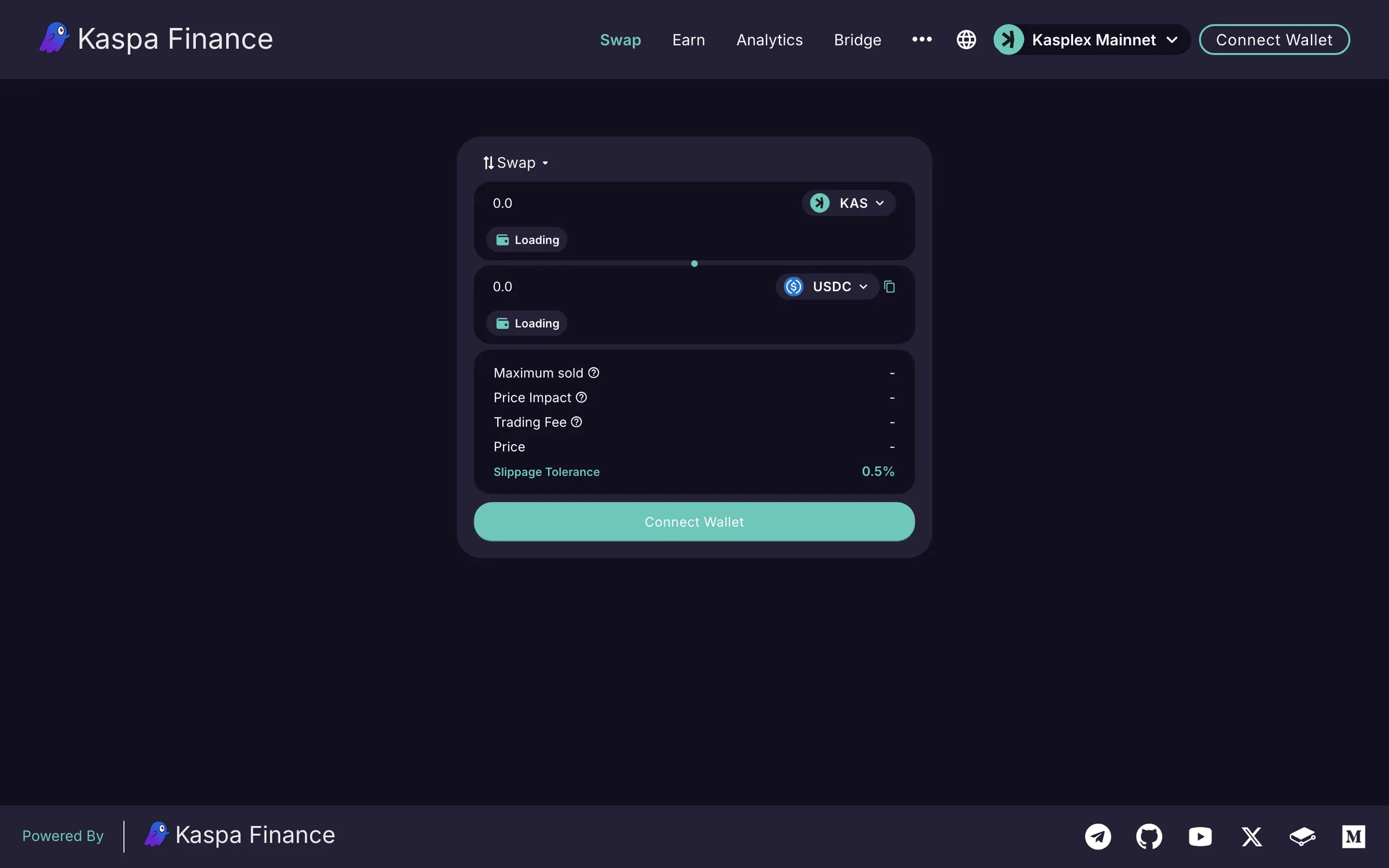
Swap and bridge widgets wired to DEX routing, with quotes, approvals and status shown inside your app.
Retrofit
Wallets, token payments or on-chain records connected to your existing web or mobile product through APIs.
Maintenance
Dependency and wallet updates, RPC failover, support for new networks and incident response after launch.
A contract change reaches the interface in the same release, with no hand-off between vendors.
Balances, history and leaderboards come from indexed events, not repeated RPC calls.
A 7 to 30 day support period with replies within 24 hours, then updates, new networks and incident response under a support plan.
| Risk | Why it matters | How we handle it |
|---|---|---|
| Blind signing | Users approve transactions they cannot read, a common route to drained wallets. | Transaction simulation before signing, human-readable previews and the smallest approval each action needs. |
| Front-end compromise | A hijacked domain or poisoned dependency can swap contract addresses inside a trusted interface. | Pinned dependencies, subresource integrity, registrar locks and contract addresses checked against a signed list. |
| RPC and indexer outages | When a node provider or indexer fails, the app shows wrong balances or stops working. | Several RPC providers with failover, indexer health checks and clear stale-data warnings in the interface. |
| Premature finality | Showing a transaction as final too early leads to repeated actions and support tickets. | Confirmation-aware interface states, idempotent back-end handlers and retries that check chain state first. |
| Off-chain trust creep | Logic moved to a server for convenience quietly brings back the custody risk the dApp was meant to remove. | We document what runs on-chain and off-chain, and keep funds and rules in contracts users can verify. |
We map the mechanism, the assets at risk and the chains you need.
Output Written specification and milestone plan
We design the contracts, roles and upgrade path, then list how each part could be attacked.
Output Architecture document and threat model
Each milestone ships to testnet with unit, fuzz and invariant tests.
Output Tested contracts and a testnet deployment
We freeze the code for an independent audit and fix the findings. Then we deploy, verify and stay on after launch.
Output Audit report, verified contracts and a deployment record
Blockchain and DeFi · Digital asset trading
130 wallets on mainnet
Blockchain and DeFi · Digital assets
12 weeks to build
Blockchain and DeFi · Digital asset trading
42,569 DEX transactions
Short answers to the questions we hear most often.
Can't find yours?
Its core rules and assets live in smart contracts that users can verify, not on a server you control. Most dApps still use servers for speed, search and notifications, and we draw that line with you.
Yes. We can add wallet sign-in, token payments or on-chain records to a web or mobile product you already run. Your current stack stays, and the new pieces connect through APIs.
Not necessarily. Sponsored transactions and card on-ramps let new users act before they own tokens. We decide with you which actions your product pays for.
Yes. Maintenance covers dependency and wallet updates, new networks, RPC failover and incident response. Support runs for 7 to 30 days after launch, with replies within 24 hours; after that, maintenance continues under a support plan.
Every engagement is quoted after a scoping call. Cost depends on the number of contracts, screens and integrations, the chains you target and the support you need.
Can't find yours?
Send a short brief and we'll reply with times for a 30-minute scoping call.