Pre-launch
Issues found before mainnet, not after an incident
A full review of a frozen commit before deployment, with time planned for your fixes and our re-review.
Blockchain and DeFi
We audit Solidity contracts and the systems around them through manual review, static analysis and fuzz testing. You receive a report that rates each finding by severity, then a re-review of your fixes.
Smart contract audits at a glance
Pre-launch
A full review of a frozen commit before deployment, with time planned for your fixes and our re-review.
Readiness
A short review of tests, documentation and obvious issues, so paid audit hours go to deep findings.
Upgrades
A diff-focused review of the new implementation, storage layout checks and a rehearsal on a forked network.
Economic review
Oracle use, liquidation paths, fee logic and governance tested against flash-loan and manipulation scenarios.
Systems
Relayers, keepers, signer key management and the back-end services that hold privileged roles.
Monitoring
Alert rules for admin actions, large outflows and paused states, routed to the people who can respond.
Findings are rated critical, high, medium, low or informational, each with a recommended fix.
A failing test reproduces each serious issue, so its fix can be proven.
We check each change made in response to the report before the report is final.
| Risk | Why it matters | How we handle it |
|---|---|---|
| A moving target | Findings on code that keeps changing do not describe the code you deploy. | We audit one frozen commit hash, and any later change gets its own diff review. |
| Unreviewed dependencies | Exploits often enter through a library, oracle or bridge the audit never covered. | The scope lists every external dependency and states which were reviewed and which were assumed safe. |
| Findings left open | A report full of acknowledged issues gives users a false sense of safety. | Each finding ends as fixed, mitigated or accepted with a written reason, and we verify every fix. |
| Economic attacks in correct code | Code can match its specification and still lose money to price manipulation or incentive abuse. | We test flash-loan, oracle-skew and governance-takeover scenarios alongside code-level checks. |
| Centralized admin powers | Admin keys can bypass every other control, yet reviews often leave them out. | We list each privileged function, its holder and its delay, and rate centralization risk in the report. |




We map the mechanism, the assets at risk and the chains you need.
Output Written specification and milestone plan
We design the contracts, roles and upgrade path, then list how each part could be attacked.
Output Architecture document and threat model
Each milestone ships to testnet with unit, fuzz and invariant tests.
Output Tested contracts and a testnet deployment
We freeze the code for an independent audit and fix the findings. Then we deploy, verify and stay on after launch.
Output Audit report, verified contracts and a deployment record
Blockchain and DeFi · Digital asset trading
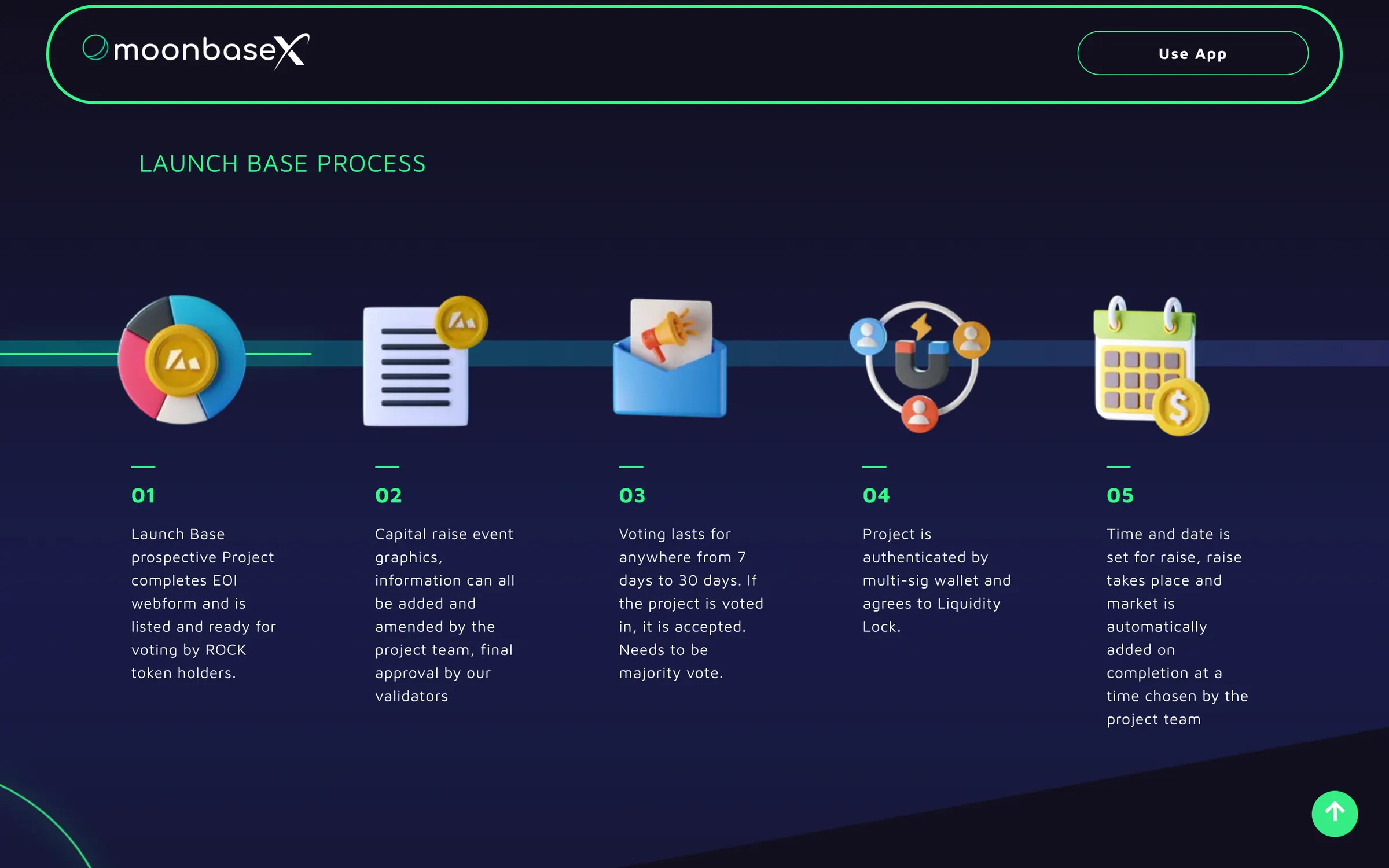
42,569 DEX transactions
Blockchain and DeFi · Digital asset trading
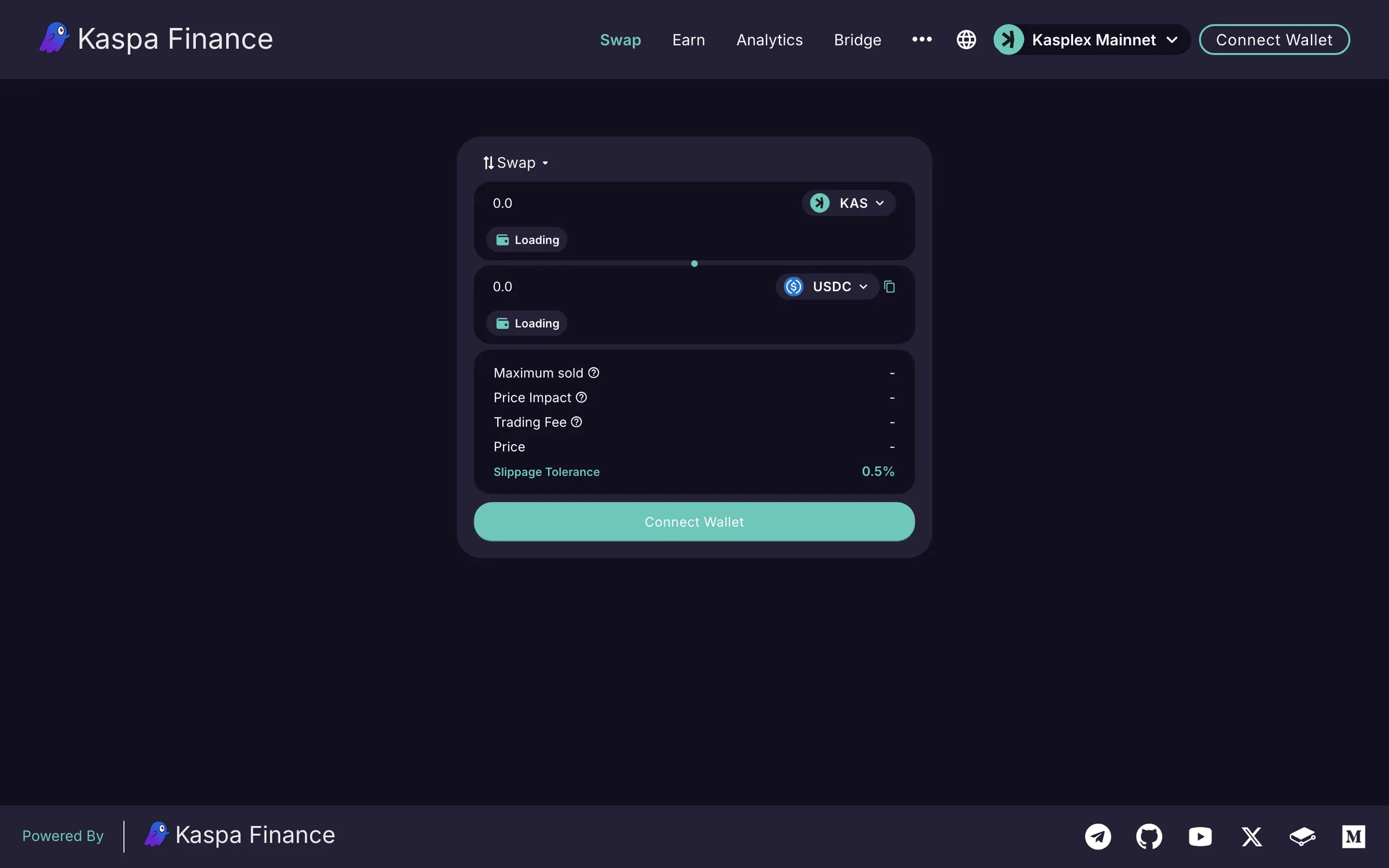
130 wallets on mainnet
Blockchain and DeFi · Digital asset trading
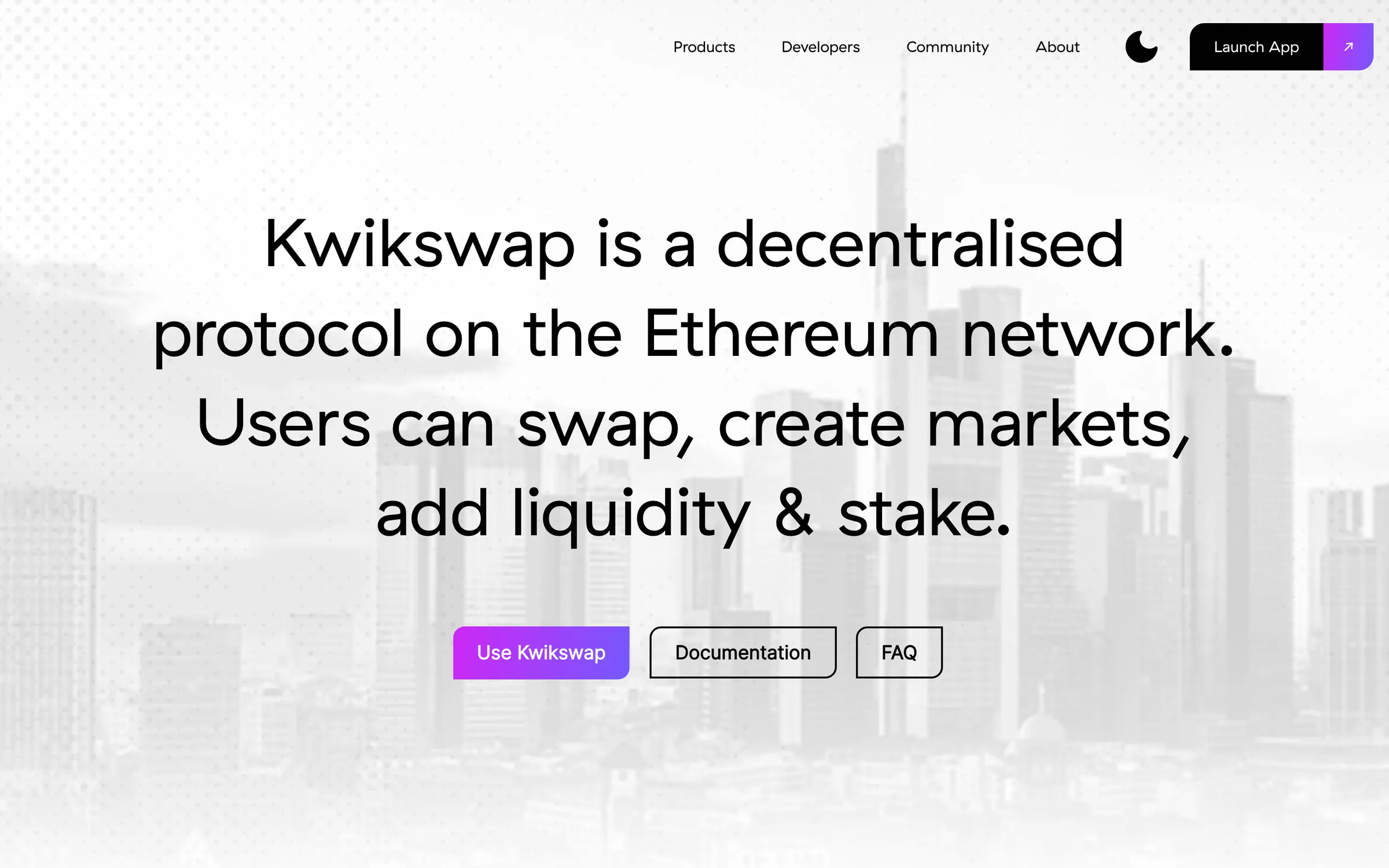
4 chains
Short answers to the questions we hear most often.
Can't find yours?
Four things. Reviewers who did not write the code. One frozen commit hash in scope. Findings rated by severity, with a proof-of-concept test for each serious one. And a re-review of every fix before the report is final. Ask every firm you speak to for all four.
Yes. We start from your documentation, tests and a frozen commit. Code without tests or a specification takes longer, so we may suggest a readiness review first.
Yes, from an independent firm as well. Our review runs through the build, and an outside auditor brings a view free of our assumptions.
CertiK (opens in a new tab), Quantstamp (opens in a new tab), Halborn (opens in a new tab) and RD Auditors (opens in a new tab). When you bring in an independent auditor, we prepare the code for review and fix what the report finds.
It depends on code size, complexity and test quality, and we confirm a schedule after scoping. Plan time after the report for your fixes and our re-review.
No. An audit lowers risk for one commit and one scope; it is not a guarantee. Pair it with tests, monitoring, limited admin powers and, for large protocols, a bug bounty.
Every engagement is quoted after a scoping call. Cost depends on lines of code, external integrations, economic complexity and the number of review rounds. Our smart contract audit cost guide covers each driver.
Can't find yours?
Send a short brief and we'll reply with times for a 30-minute scoping call.